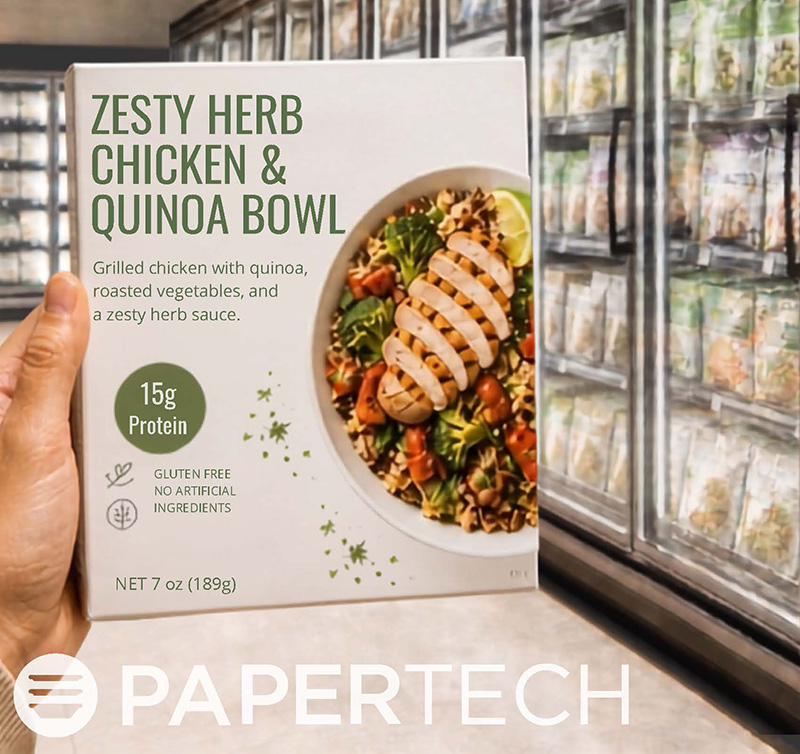
The frozen food aisle is having a moment.
After years of being seen as the backup plan for busy weeknights, frozen food has quietly become one of the most dynamic categories in the grocery store, and one of the biggest drivers behind that shift is GLP-1 medications.
Millions of Americans are taking GLP-1s, which have fundamentally changed how people eat. They want smaller portions. They want more protein. They want meals that feel purposeful rather than indulgent. Frozen food checks every one of those boxes, and the category is growing because of it.
For frozen food brands, meeting that demand means reconsidering everything from portions and ingredients to packaging.
How are GLP-1 medications changing frozen food sales?
1 in 8 American adults currently takes a GLP-1 medication like Ozempic, Wegovy and Mounjaro, with adoption expected to increase as costs decline and new delivery formats reach the market (Kaiser Family Foundation).
For these consumers, GLP-1 medications suppress appetite and slow digestion, which changes what a satisfying meal feels like. They eat less but need what they consume to deliver more protein, more nutrients and more value per serving.
According to research from the NFRA and Morning Consult (2025):
Major brands have already moved to meet the demand for GLP-1-friendly meals:
Frozen food brands developing portion-controlled, protein-forward products are making packaging decisions earlier in the development process than they used to, because the product and the package are increasingly inseparable in how consumers evaluate them.
How should frozen food packaging change for GLP-1 users?
When a shopper picks up a high-protein, GLP-1-aligned frozen meal, they read the ingredient list, check the macros and look for certifications. But the packaging evaluation does not stop at the grocery store.
When they get home and open the box, they handle the tray directly. They see the surface. They feel the texture. Before they take a single bite, the packaging material has already impacted how they feel about their meal.
A frozen meal in an industrial-looking aluminum tray sends a different message than the same meal in a natural-looking fiber-based paper tray. The material either reinforces or undermines the brand’s story.
For shoppers making deliberate nutritional choices, such as GLP-1 users, fiber-based packaging demonstrates that every element of the product was considered. It suggests that the same care that went into selecting environmentally friendly packaging also went into balancing macros and selecting protein sources.
Should frozen food brands with GLP-1-friendly meals switch to sustainable packaging?
GLP-1 users read labels carefully, make deliberate purchasing decisions and build loyalty toward brands that deliver the healthy and satisfying food experience they are searching for.
Sustainable packaging, like dual-ovenable pressed paperboard trays, immediately shows GLP-1 users that the meals inside have been carefully packaged, which reinforces the quality of what is in them. An aluminum or plastic tray does not communicate that same message.
Pressed paperboard trays give frozen food brands a packaging format holds up through the frozen supply chain and appeals to the health-conscious consumers who are reading nutritional labels.
Creating a GLP-1-friendly frozen meal line for your brand?
PaperTech offers dual-ovenable pressed paperboard trays that handle the demands of frozen food processing. We also work with frozen food manufacturers and co-manufacturers on tray size, configuration and quick-turn domestic production as we bring new SKUs to market.
If you’re developing GLP-1 frozen food products and want to discuss your packaging requirements, get in touch with a paperboard tray expert.
